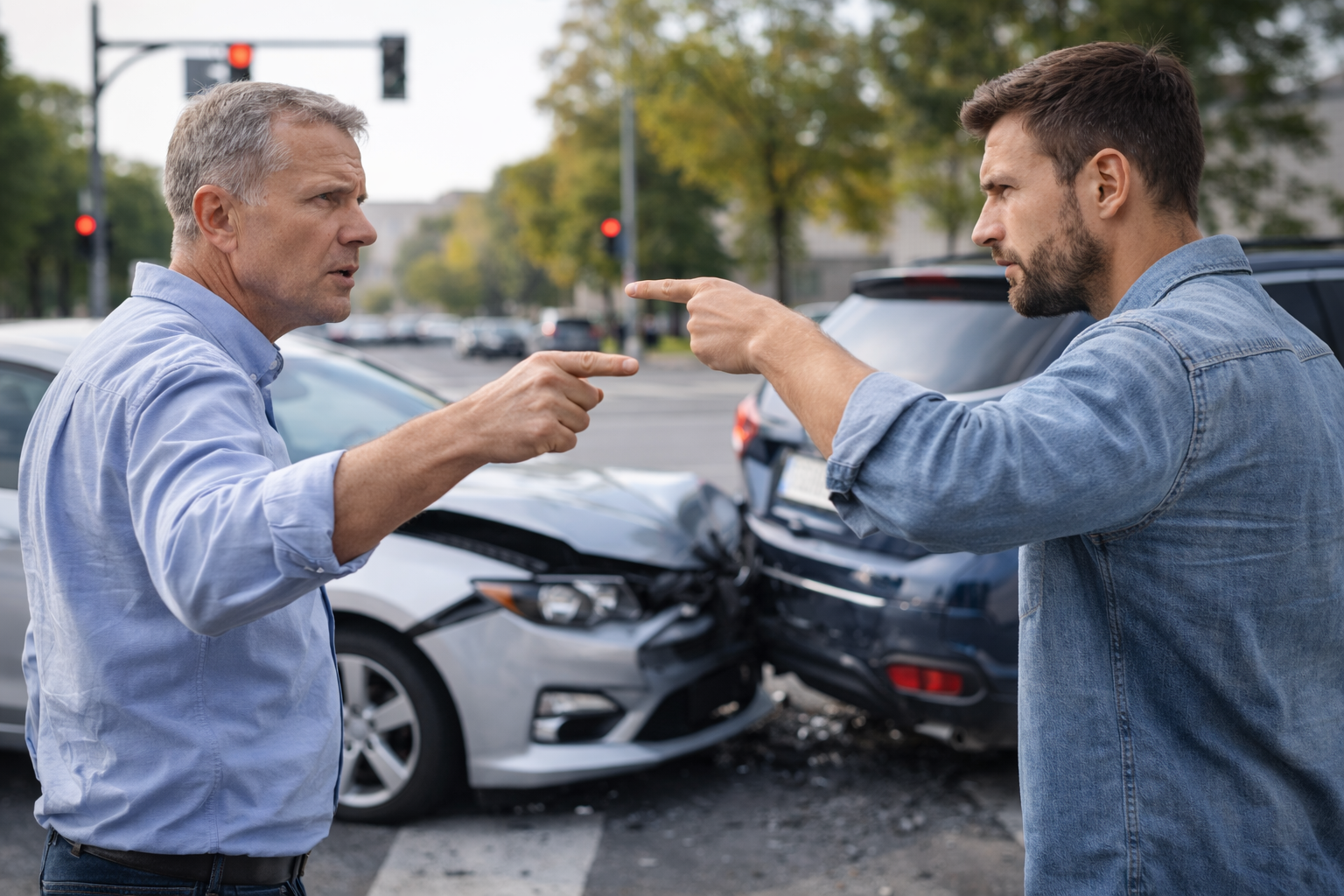
After a car accident, many drivers are convinced they know exactly who was at fault.
Sometimes they’re right.
But from the perspective of insurance investigations, determining liability isn’t based on anger, frustration, or even confidence. It’s based on evidence, traffic laws, and what can be reasonably proven.
Understanding how liability works can help drivers avoid confusion and unrealistic expectations during the claims process.
What Liability Actually Means
In auto insurance, liability simply means legal responsibility for causing an accident and the resulting damages.
If a driver is found liable, their insurance company may be responsible for paying for:
Vehicle repairs
Property damage
Medical expenses
Other related losses
But before any payments are made, the insurance company must first determine how the accident happened and who caused it.
Why Feelings Don’t Determine Fault
One of the most difficult parts of the claims process for drivers is realizing that how strongly you feel about what happened doesn’t determine liability.
Insurance adjusters evaluate accidents using evidence such as:
Driver statements
Police reports
Photos of vehicle damage
Accident scene documentation
Witness statements
Traffic laws
Vehicle positions and damage patterns
Sometimes a driver may genuinely believe the other person caused the accident, but the available evidence tells a different story.
Other times, both drivers may share responsibility.
The investigation focuses on facts that can be supported, not assumptions or emotions.
The Role of Traffic Laws
Traffic laws are often the backbone of liability decisions.
Certain violations strongly suggest fault, such as:
Running a red light
Failing to yield
Following too closely
Making an unsafe lane change
Ignoring stop signs
For example, if a driver rear-ends another vehicle, the following driver is often considered responsible because drivers are required to maintain a safe stopping distance.
However, every accident still requires investigation, and there are always exceptions depending on the circumstances.
When Both Drivers Share Fault
Not all accidents have a single clear cause.
Sometimes both drivers contribute to the collision.
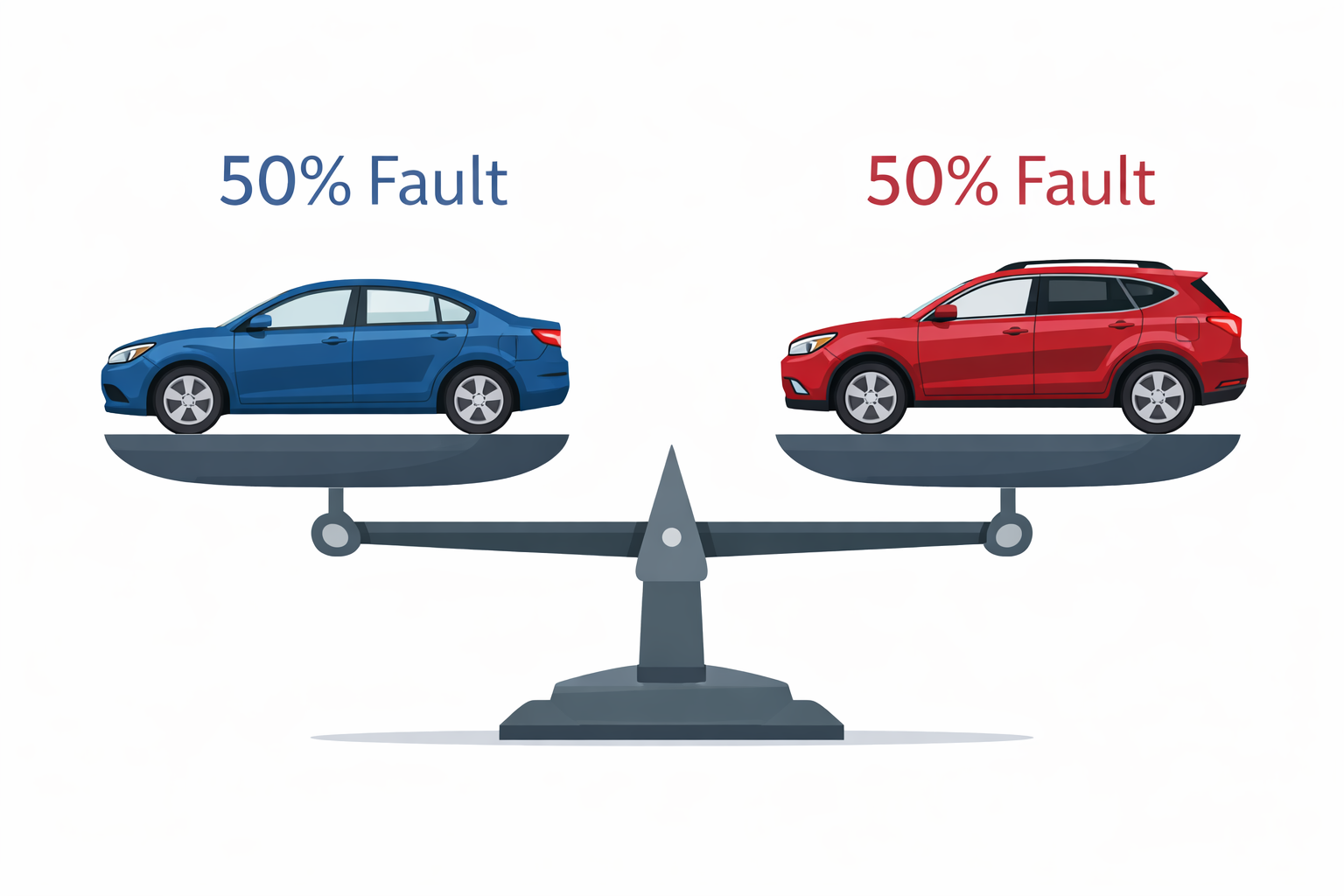
Many states, including Oregon, use a system called comparative negligence, which allows responsibility to be divided between drivers.
For example:
Driver A may be found 70% responsible
Driver B may be 30% responsible
In these cases, insurance companies adjust compensation based on each driver’s share of responsibility.
This is another reason why evidence becomes so important.
Why Evidence at the Scene Matters
This is where those earlier steps—checking injuries and documenting the scene—become incredibly important.
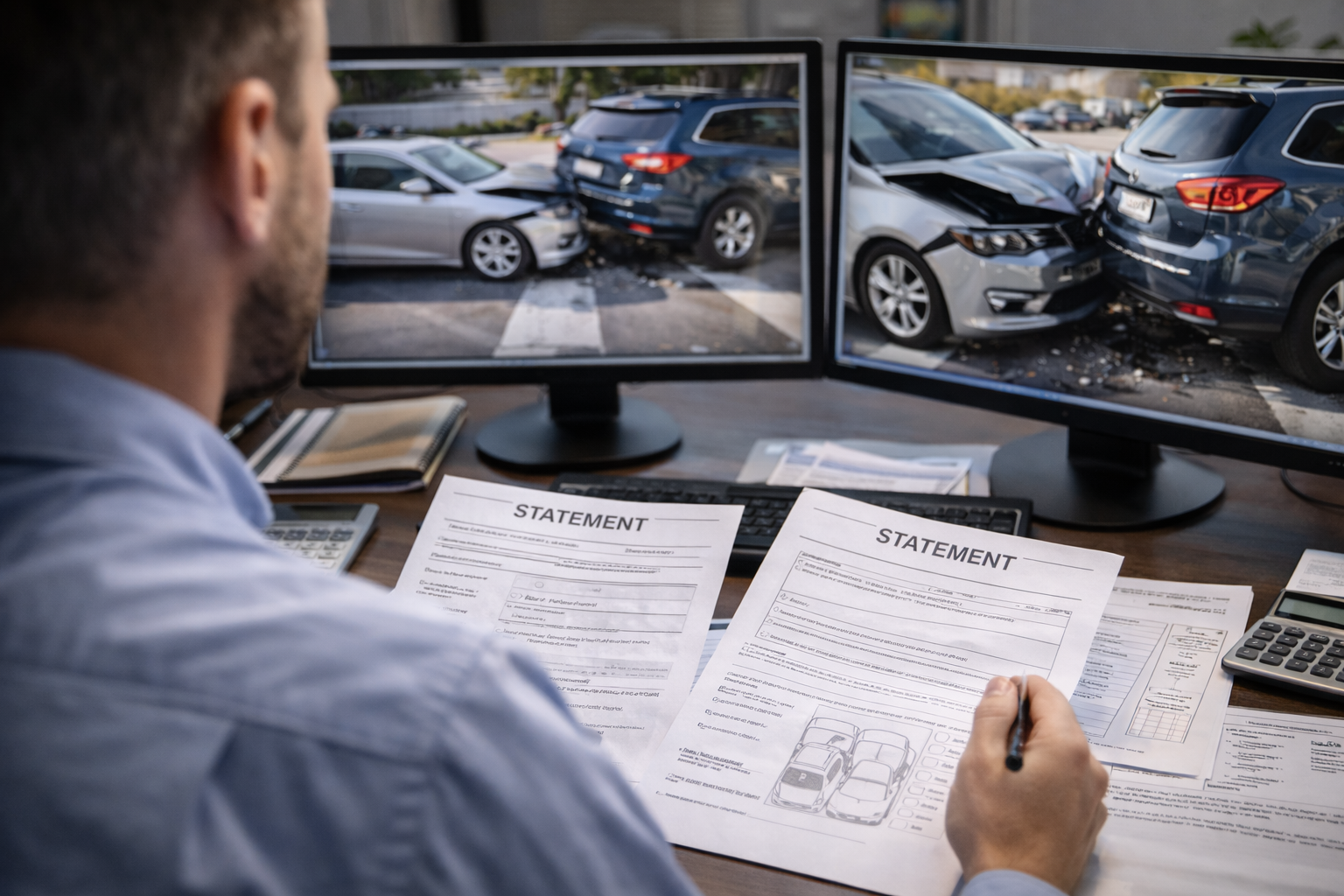
Photos, notes, and witness information help investigators reconstruct the accident later.
Without evidence, liability decisions become far more difficult.
Clear documentation can help show:
Vehicle positions
Traffic signals
Road conditions
Damage patterns
The sequence of events
In other words, the more information available, the clearer the story becomes.
Saying “I’m Sorry” Doesn’t Automatically Mean Someone Is At Fault
One of the most common misconceptions after an accident is the idea that whoever apologizes at the scene has automatically admitted fault.
That’s not how liability works.
After a crash, people often say things like:
“I’m so sorry.”
“Oh my god, that was my fault.”
“I didn’t even see you.”
But in the chaos and adrenaline of an accident, people say things they don’t necessarily mean in a legal or factual sense. Many drivers apologize simply because they feel bad that an accident happened at all.
There are two important things to remember:
1. The other driver is not a claims adjuster.
They may genuinely believe they were responsible even if the traffic laws say otherwise.
2. People sometimes assume fault when they actually weren’t at fault.
Certain types of accidents—especially complicated intersections or lane changes—can make drivers think they caused the crash when the rules of the road say something different.
This is one reason liability decisions are based on evidence and traffic laws rather than statements made in the heat of the moment.
The Uncomfortable Reality: People Sometimes Change Their Stories
There’s another part of claims investigations that rarely gets talked about openly.
Sometimes people lie.
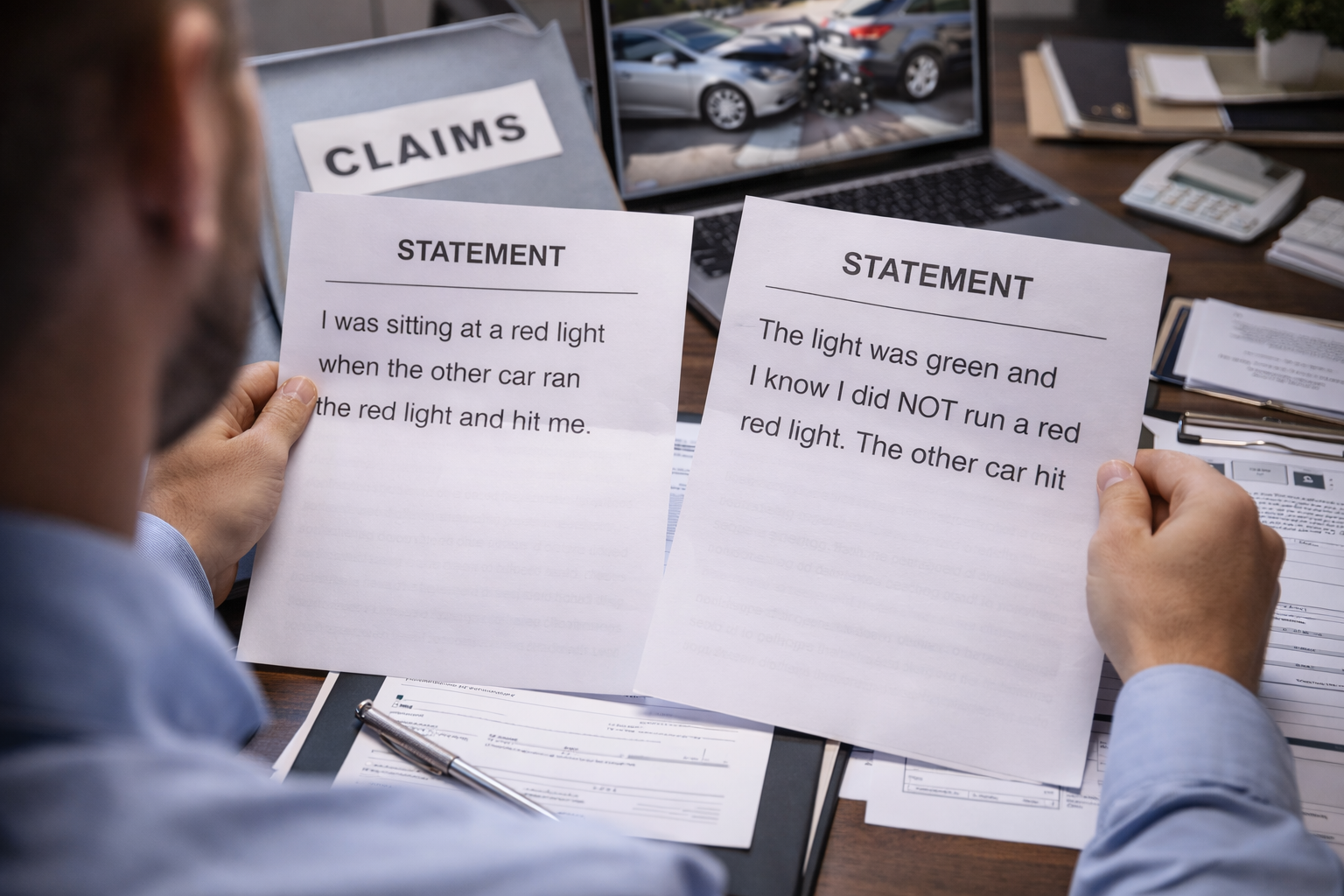
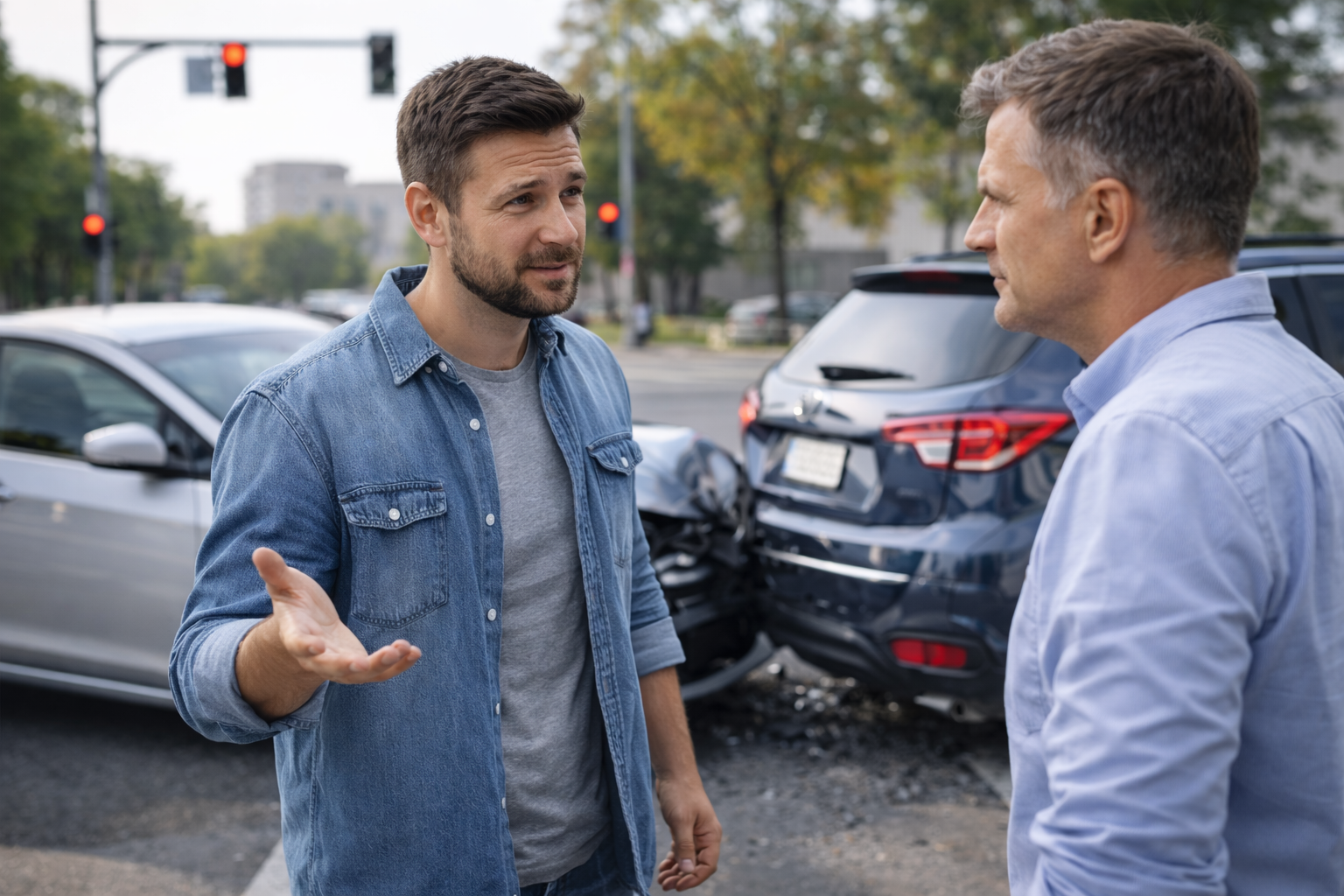
A driver might admit something at the scene—like running a red light—and later tell their insurance company a completely different story.
For example, it’s not uncommon for someone to say at the scene:
“I’m sorry, I ran the red light.”
But when speaking with their insurance company later, the same person may say:
“No, I definitely had the green light.”
Without independent evidence, it can become extremely difficult to determine what actually happened.
That’s why investigators rely heavily on objective evidence, not just statements.
Why Evidence Matters More Than Stories
Insurance adjusters review claims every day, and unfortunately, conflicting stories are extremely common.
If both drivers insist they had the green light, the investigation must rely on other information such as:
Vehicle damage patterns
Photos from the scene
Witness statements
Traffic camera footage
Dash camera recordings
Police reports
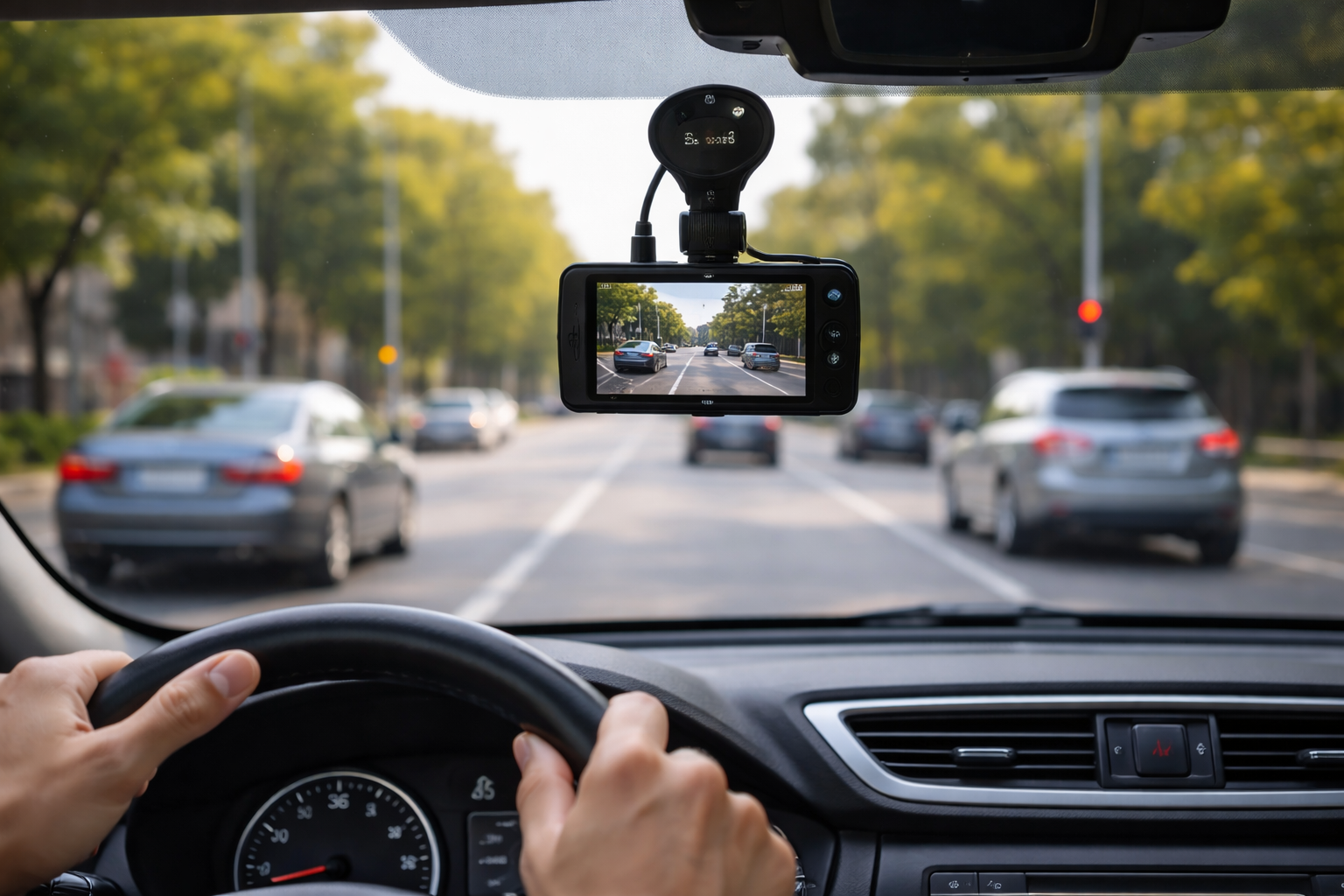
This is also why dash cameras have become so valuable.
A simple recording can instantly clarify situations that might otherwise become one driver’s word against another.
Insurance Investigations Focus on Evidence — Not Personal Circumstances
Another difficult truth about claims investigations is that they must remain focused on the facts of the accident.
Insurance adjusters understand that accidents happen during stressful times in people’s lives. Everyone involved may be dealing with personal struggles, financial pressure, or emotional stress.
But those circumstances don’t change the rules of the road.
For example:
Opening a car door into traffic
Driving while impaired
Running a red light
Making an unsafe turn
These actions can still determine liability regardless of what someone was going through personally.
The investigation focuses on what happened during the accident itself.
What Happens When Insurance Companies Disagree
Sometimes both insurance companies review the evidence and reach different conclusions about liability.
When this happens, a process called subrogation may begin.
If one insurance company pays for damages under its policy, it may later seek reimbursement from the other insurance company if it believes the other driver was responsible.
If the two companies cannot agree, the dispute may go to arbitration.
During arbitration, a neutral third party reviews the available evidence from both sides and determines whether one company should reimburse the other.
Just like in court, the outcome depends heavily on the strength of the evidence presented.

The Same Principle That Applies in Court
Liability investigations follow a similar principle to court cases.
You wouldn’t walk into a courtroom and say:
“Judge, you just have to believe me.”
You would need evidence showing why your version of events is supported by facts.
Insurance claims work the same way.
The stronger the evidence, the easier it is to determine what actually happened.
Why Dash Cameras Are Becoming So Popular
Because conflicting stories are so common, many drivers now install dash cameras in their vehicles.
Dash cam footage can:
Show traffic signals
Capture vehicle movements
Document reckless driving
Provide a timestamped record of the collision
In many cases, dash camera footage resolves liability questions instantly.
What might otherwise take weeks of investigation can sometimes be settled in minutes when clear video evidence exists.
After a car accident, it’s natural to feel certain about what happened.
But when liability is determined, the process is less about emotion and more about documentation.
Evidence.
Traffic laws.
Statements.
Damage patterns.
These are the pieces investigators use to reconstruct the story of the crash.
Because in the end, liability isn’t decided by how strongly something is believed.
It’s decided by what can actually be proven.