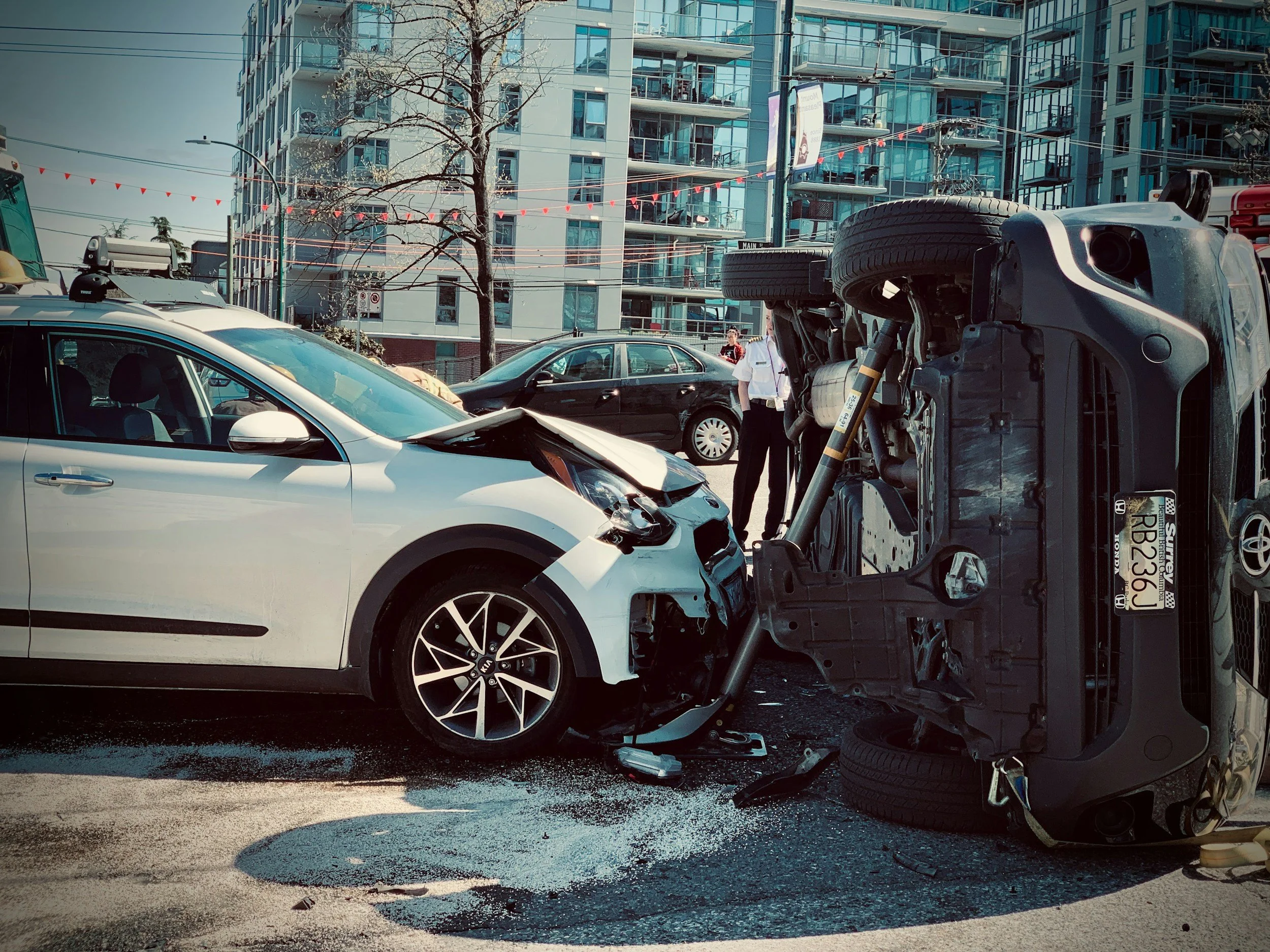
Oregon Car Accident Claims Explained | Clean. Direct. No fog, no glitter, no law-firm chest pounding.
Oregon Auto Insurance Claims Guide
Car accident claims in Oregon follow rules that many drivers don’t fully understand until they’re already in the middle of one.
After a crash, people often find themselves dealing with multiple moving parts at once: vehicle damage, medical treatment, liability investigations, and insurance companies asking questions they didn’t expect.
Oregon has its own system for handling these situations. From Personal Injury Protection (PIP) coverage to comparative negligence rules and DMV reporting requirements, the process can look very different from what drivers see in other states.
This guide explains how Oregon car accident claims typically work, what makes Oregon unique, and the issues that matter most after a collision.
Whether you are dealing with vehicle repairs, injuries, or a liability dispute, understanding how the Oregon claims process works can make the experience much easier to navigate.
Quick Oregon Claims Basics
-
Oregon uses a fault-based insurance system, which means the driver responsible for causing a crash is generally responsible for the resulting damages.
After an accident, insurance companies investigate the collision to determine who was at fault and why. That investigation can include driver statements, vehicle damage, police reports, photos from the scene, and traffic laws.
If another driver is found responsible, their insurance policy is typically used to cover damages such as vehicle repairs and bodily injury compensation.
However, determining fault is not always straightforward. Many accidents involve shared responsibility, which can affect how a claim is handled.
Short Version: Fault-based states require the driver who causes an accident to pay for damages. This is different from no-fault states that require drivers to use their own insurance damages, regardless of fault.
-
Not every accident has a single responsible driver.
Oregon follows a legal system called modified comparative negligence, which means fault can be divided between multiple drivers.
If you were partly responsible for the accident, your compensation may be reduced based on your percentage of fault.
For example:
If your damages total $10,000 but you are found 20% responsible, the recoverable amount may be reduced to $8,000.
However, if a driver is found to be more than 50% responsible, they generally cannot recover damages from the other party.
Because of this system, liability investigations often focus heavily on what each driver was doing in the moments leading up to the collision.
EXAMPLES:
Driver A is found to be 100% at fault for Driver B’s damages. Driver A’s insurance pays for 100% of Driver B’s damages.
Driver A is found to be 70% at fault for Driver B’s damages. Driver A’s insurance pays 70% of Driver B’s damages.
Driver A is found to be 50% at fault for Driver B’s damages. Driver A’s insurance pays 50% of Driver B’s damages. AND Driver B’s insurance pays 50% of Driver A’s damages.
The driver 50% or more at fault pays. The driver 49% or less at fault does not pay.
-
Every auto insurance policy issued in Oregon includes Personal Injury Protection (PIP) coverage.
PIP helps pay certain medical expenses after a car accident regardless of who caused the crash.
This coverage can help pay for things like:
emergency medical care
doctor visits
physical therapy
some lost wages
PIP coverage is one of the reasons Oregon claims sometimes look different from claims in other states. Medical treatment may be paid through your own policy first, even while fault for the accident is still being investigated.
-
Many drivers assume that if police respond to a crash, the reporting requirement is automatically handled.
In Oregon, that is not always the case.
Certain crashes must be reported directly to the Oregon DMV, particularly if the accident involves injuries, death, or property damage above a certain threshold.
Failing to file a required report can lead to driver’s license suspension, even if the accident itself was not your fault.
Because of this, it is important to understand whether your crash meets Oregon’s reporting requirements.
PER OREGON DMV:
You must submit a report of a motor vehicle collision to DMV when any of the following are true:
Injury or death resulted from this collision.
Damage to your vehicle is over $2,500.
Damage to any vehicle is over $2,500 and any vehicle is towed from the scene.
Damage to anyone’s property other than a vehicle involved in this collision is over $2,500.
-
When police respond to a crash, they may issue citations or write an accident report.
However, insurance companies conduct their own investigations when determining liability.
An insurance liability decision may consider:
driver statements
witness accounts
vehicle damage patterns
photos from the scene
traffic laws
While police reports can provide useful information, they are only one piece of the investigation.
-
Many Oregon car accident claims involve two separate processes happening at the same time.
The first track is medical treatment, which is typically handled through your own auto insurance policy using Personal Injury Protection (PIP).
If you have auto insurance in Oregon, your PIP coverage pays for medical treatment up front, regardless of who caused the accident. This can include doctor visits, physical therapy, and other accident-related care.
Later in the claim process, those medical payments may be sent to the at-fault driver’s insurance company for reimbursement as part of the overall claim.
At the same time, there may also be a separate bodily injury claim for general compensation. This is often referred to as pain and suffering, and it is intended to compensate someone for the physical discomfort, inconvenience, and disruption caused by the injury.
In Oregon, these two parts of the claim can sometimes be handled independently.
If a bodily injury settlement is reached within the first 60 days after the claim is filed, resolving the compensation portion of the claim typically does not interfere with the ongoing medical treatment being handled through PIP.
This structure can surprise many drivers because in some other states, settling an injury claim may end the ability to continue treatment related to the accident.
There is one important exception to understand.
Under Oregon law, drivers who do not carry auto insurance may be limited in what they can recover after an accident. If an uninsured driver is injured in a crash, they generally cannot recover non-economic damages, which means they are not eligible for pain and suffering compensation.
They may still pursue certain economic damages, such as medical expenses or lost income, but the general compensation portion of the claim is not available to them.
Because of these rules, Oregon claims can look very different depending on whether the injured person was insured at the time of the crash.
Oregon Specific Articles
The Oregon Claims Process in Plain Terms
Most Oregon accident claims follow a similar general path.
After a crash:
Drivers report the accident to insurance companies.
Insurance adjusters investigate the collision to determine liability.
Vehicle damage is evaluated and repairs or total loss payments are handled.
Medical treatment may continue under PIP coverage.
Bodily injury claims may be evaluated once treatment and documentation are clearer.
Not every claim moves at the same pace, but understanding the structure of the process can help drivers avoid unnecessary stress along the way.
Understanding the System Helps
Car accidents are stressful enough without trying to decode how the insurance system works at the same time.
The goal of this guide is simple: to explain how Oregon accident claims actually function so drivers can make informed decisions while navigating the process.
If you’ve recently been in an accident, start with the step-by-step guide below:
Steps to Take After a Car Accident
From checking for injuries to documenting the scene and understanding liability, knowing what to do next can make a difficult situation a little easier to manage.
If you’re involved in a car accident in Oregon, knowing what steps to take immediately afterward can make the insurance claim process much smoother. From checking for injuries to documenting the scene and reporting the crash, these actions help protect both your safety and your claim.