People always want to know which company.
They ask it the way you ask a bartender what brand of whiskey they pour — as if the label explains the burn.
I won’t be naming mine.
Not because I’m hiding anything, but because it doesn’t matter. I work for a large auto insurance company operating in the United States, and if you swapped the logo on my screen tomorrow, the work would look exactly the same. I know this because I’ve done this job at more than one company.
Different acronyms.
Different training portals.
Same laws. Same evidence. Same expectations.
Auto liability adjusting is an industry built on standardization. And when it’s done correctly, it should be.
What I Actually Do
I investigate car accidents for a living.
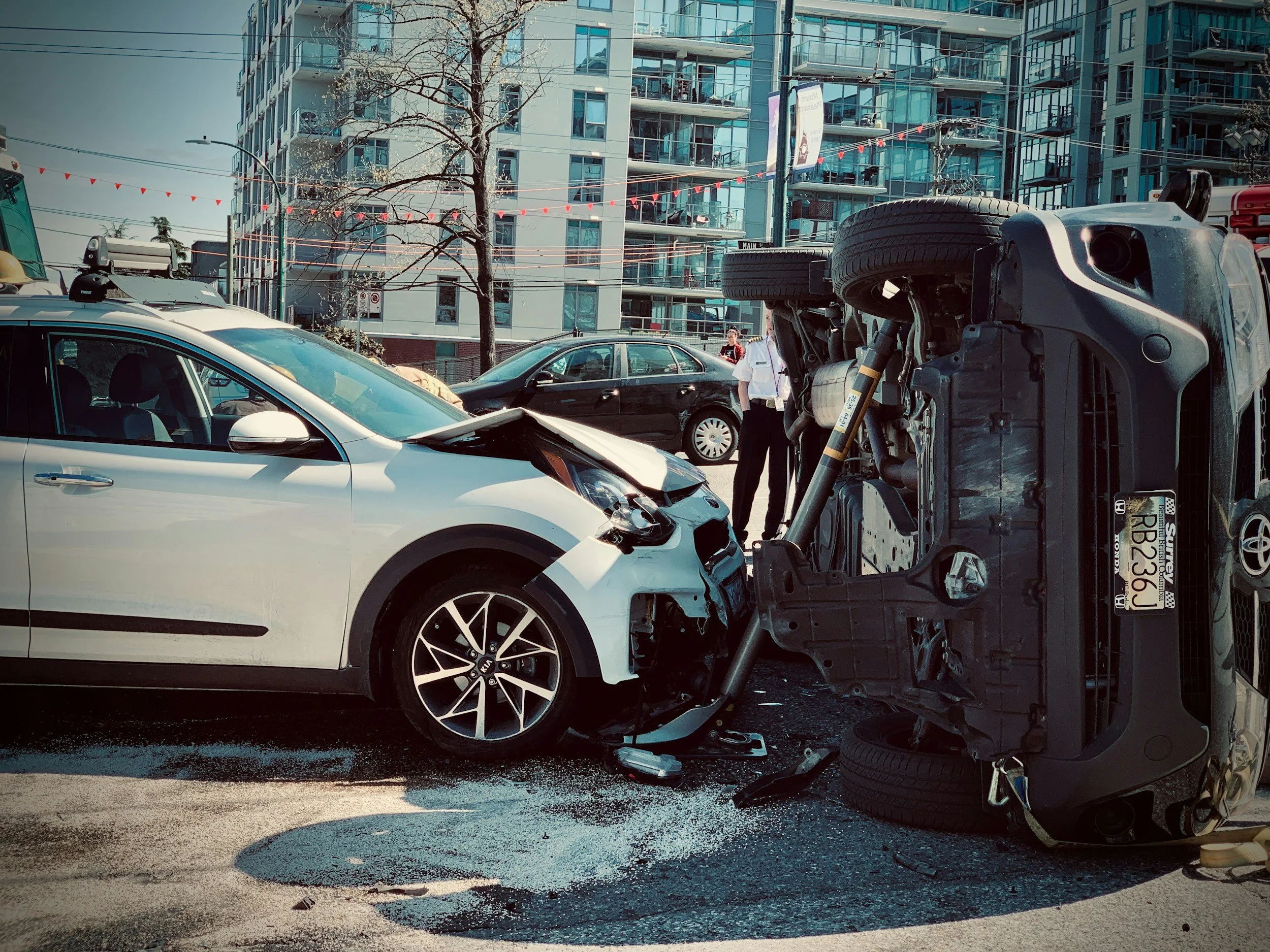
Not always the dramatic kind you see on the news, but mostly the everyday collisions that quietly rearrange people’s lives: left turns gone wrong, rear-ends at stoplights, lane changes made a half-second too late.
I’m an auto liability adjuster handling accidents all over the state of Oregon. My job is to determine liability — who is responsible, to what degree, and why. That means reconstructing moments that lasted seconds using statements, photos, police reports, vehicle damage, diagrams, timelines — and the unromantic laws of physics.
Everyone remembers the accident differently. Everyone is certain. Everyone’s version makes sense — to them.
The truth usually lives somewhere colder and less flattering.
This work isn’t about catching liars. That’s the myth people like to believe. It’s about translating impact into language the system understands. Metal into math. Fear into forms. Trauma into timelines.
And yes — sometimes into money.
The Part That Came Before
Before I ever adjusted a claim, I was a 911 dispatcher in the state of Oregon.
I’ve been the voice on the other end of the line when someone’s hands were shaking too badly to hold a phone. I’ve spoken to people in shock, in grief, in rage, and in absolute disbelief that this was happening to them.
I know how police think because I worked alongside them for years. I know how civilians experience emergencies because I’ve walked them through their worst moments in real time.
That background never leaves you.
It teaches you how to stay calm without becoming cold. How to gather information without escalating panic. How to hear what someone is saying — and what they can’t yet put into words.
Those skills carried over seamlessly into claims work. Different systems. Same human reality.
What the Industry Gets Wrong (And What People Do Too)
There’s a popular belief that insurance companies all operate wildly differently. That outcomes hinge on who you’re insured with, how loud you are, or which adjuster picks up the phone.
The reality is far less dramatic.
Liability is governed by traffic law. Evidence weighs what it weighs. Physics does not negotiate. People love to believe adjusters are paid to deny claims. The truth is far more boring — and far more regulated.
And while no system is perfect, most companies are working from the same rulebook.
Some play it better. Some play it sloppier. But the framework is shared.
That’s why the company name doesn’t belong here.
What does belong here is transparency.
On paper, my role is simple: determine liability when a vehicle is involved in a collision. Which driver is at fault? Was it shared fault? Was it unavoidable? What does the evidence say?
In reality, the job is part investigator, part archivist, part emotional translator.
I read police reports like short stories written under fluorescent lights at 2 a.m.
I study photos where time froze mid-spin.
I diagram intersections I will never stand in, but know intimately.
The Human Side No One Sees
What people don’t talk about is the emotional labor.
I speak daily with people who are shaken, furious, ashamed, confused, or grieving — not just damage, but certainty. A car accident has a way of cracking the illusion that life is predictable. You can do everything right and still end up in a claim file.
My role requires calm without detachment. Empathy without promises. Authority without cruelty.
You learn how to listen without absorbing. How to hold boundaries while still sounding human. How to say “I understand” without meaning “I agree.”
You carry stories you can’t repeat. You become fluent in other people’s worst days.
And you do it quietly.
What You’ll Find Here
This space is an open file.
Here, I’ll be writing about:
Things auto adjusters wish the public knew
Actual liability decisions I’ve made (anonymized and explained)
Driving reminders — like everything you actually need to understand about making left turns
How to navigate your claim process without losing your mind
Coverage explanations, rules of the road, and common misunderstandings
Oregon-specific standards and laws (that’s the lane I can speak to with certainty)
And yes — if you want to send me your story, you can. I can’t give legal advice, and I can’t represent you, but I can give you an honest, experience-based perspective on how liability is likely to be viewed.
No scripts. No scare tactics. No corporate polish.
Just clarity.
Why I’m Writing About It
I’m not here to give legal advice.
I’m not here to tell you how to win a claim.
I’m not here to help you “beat the system.”
And I’m definitely not here to defend a corporation.
I’m writing because this work lives in a strange blind spot. Everyone needs it eventually. Almost no one understands it. And fewer still hear from the people doing the work without a script, a headset, or a PR filter.
This series is about what actually happens behind the scenes — how fault is decided, how systems balance fairness and efficiency, and what it’s like to work inside an industry people love to hate but rely on every day.
No company loyalty. No branding. Just the work.
If you’ve ever been in an accident, argued with an insurance adjuster, worked claims yourself, or wondered how order gets rebuilt after impact — you’re in the right place.
Pull over.
Turn off the engine.
We’ll take it from here.