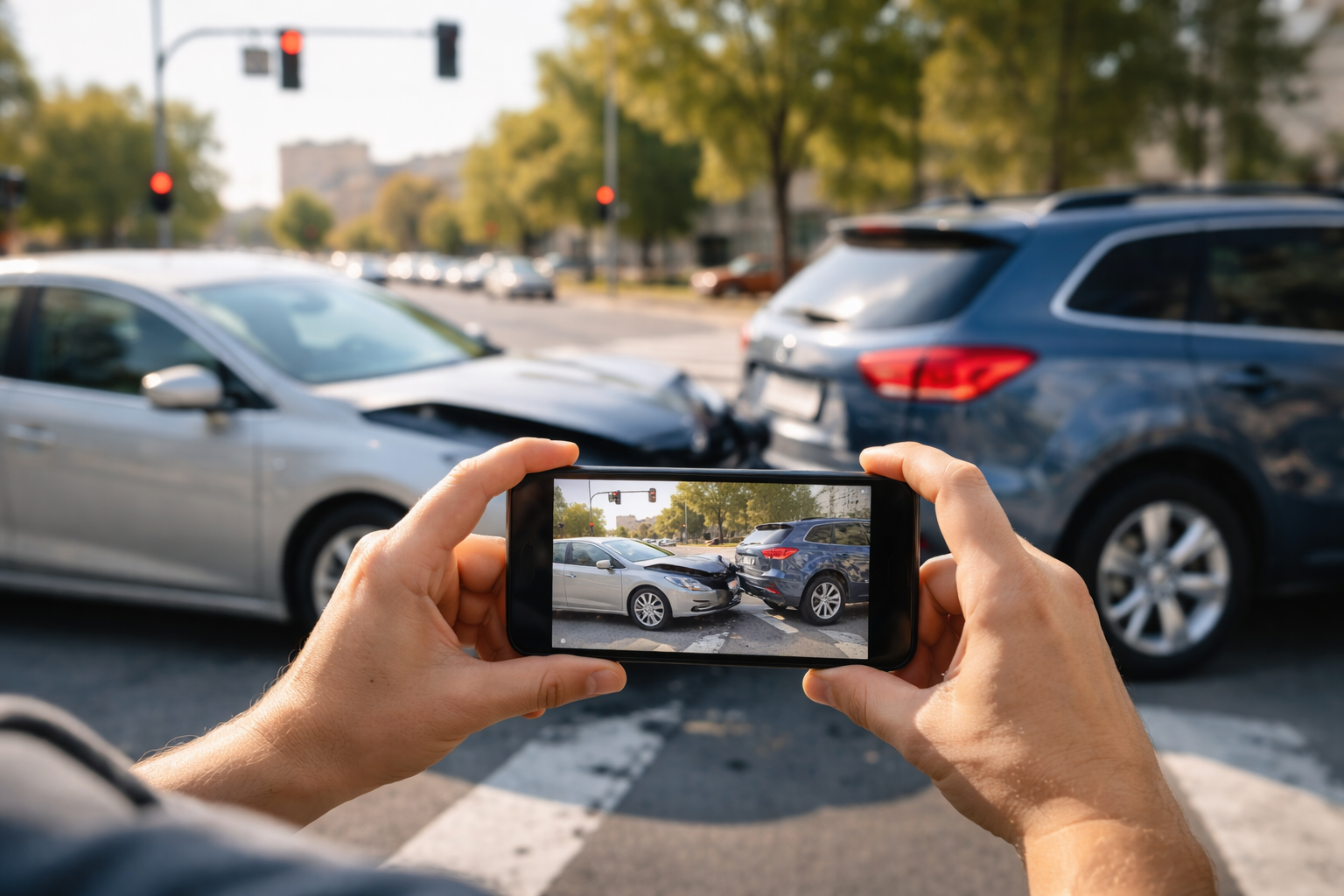
Once injuries have been checked and emergency help is on the way (if needed), the next step after a car accident is to document the scene carefully.
Think of it as creating a record of what the world looked like at that exact moment.
Photos, notes, and witness information help capture details that might otherwise be forgotten later. In many cases, these small pieces of documentation become extremely helpful when insurance companies investigate what happened.
The goal isn’t to build a courtroom case on the side of the road.
It’s simply to preserve accurate information before it disappears.
Why Documenting the Scene Matters
Accidents often involve conflicting stories.
One driver may believe the other ran a stop sign.
The other may believe the light was yellow.
Witnesses may remember events differently.
Insurance companies rely heavily on evidence and documentation when determining what actually happened.
Photos and notes taken at the scene can help clarify:
Vehicle positions after the collision
Visible damage
Road conditions
Traffic signs or signals
Weather and visibility
These details may seem small at the moment, but they can become extremely useful later during a liability investigation.
Take Clear Photos of the Vehicles
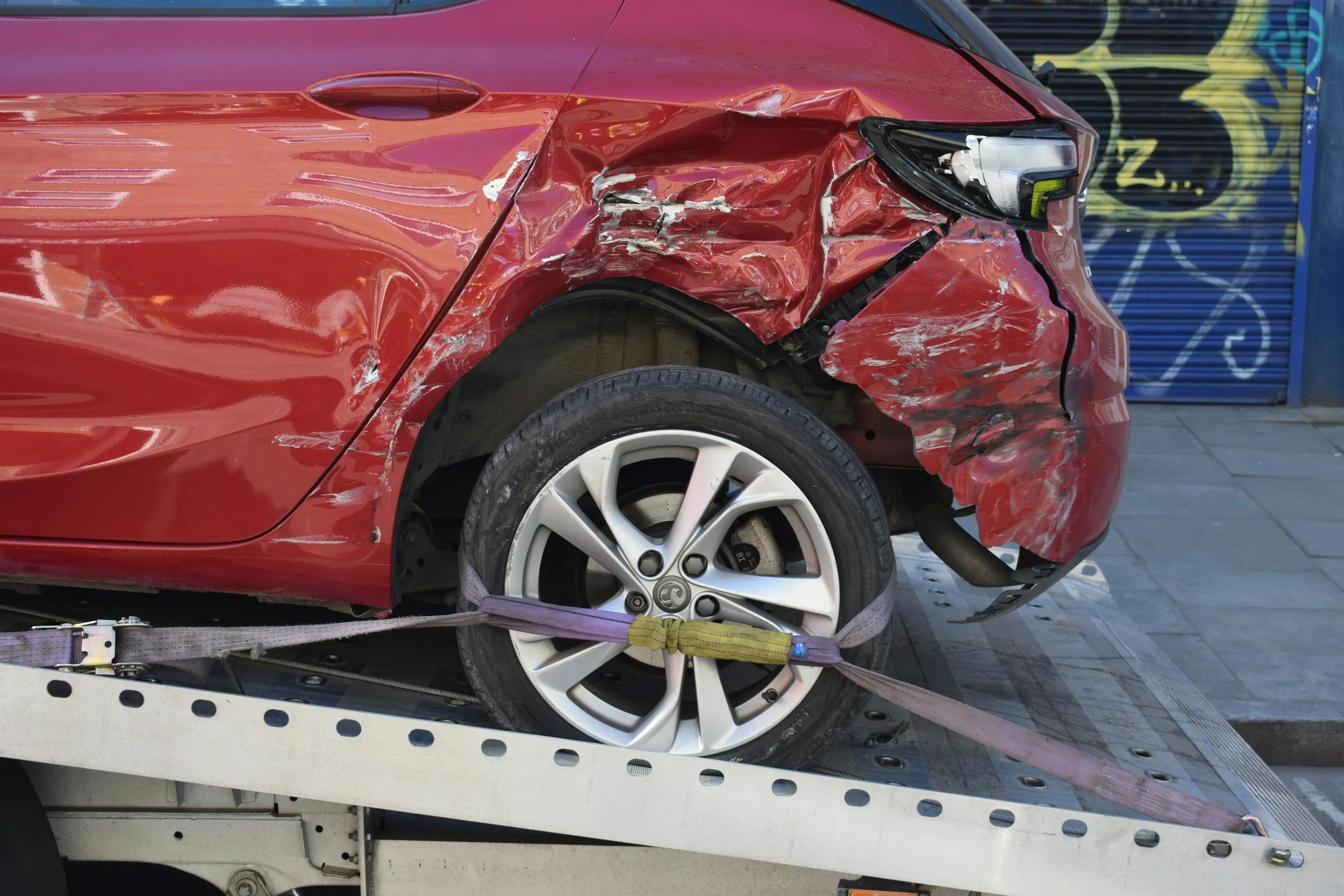
One of the most helpful things you can do is take photos of all vehicles involved.
Try to capture:
Damage to your vehicle
Damage to the other vehicle(s)
The license plates
The overall position of the vehicles
It’s helpful to take photos from multiple angles, including wide shots that show the entire scene and closer shots that highlight specific damage.
Avoid moving the vehicles before taking photos unless doing so is necessary for safety or directed by law enforcement.
Photograph the Surrounding Area
The environment around the accident can provide important context.
Take photos of things like:
Traffic lights
Stop signs
Lane markings
Intersections
Road conditions (wet pavement, debris, etc.)
These environmental details can help explain how the accident occurred.
For example, documenting a hidden stop sign or poor visibility at an intersection may later clarify why drivers made certain decisions.
Capture the Bigger Picture
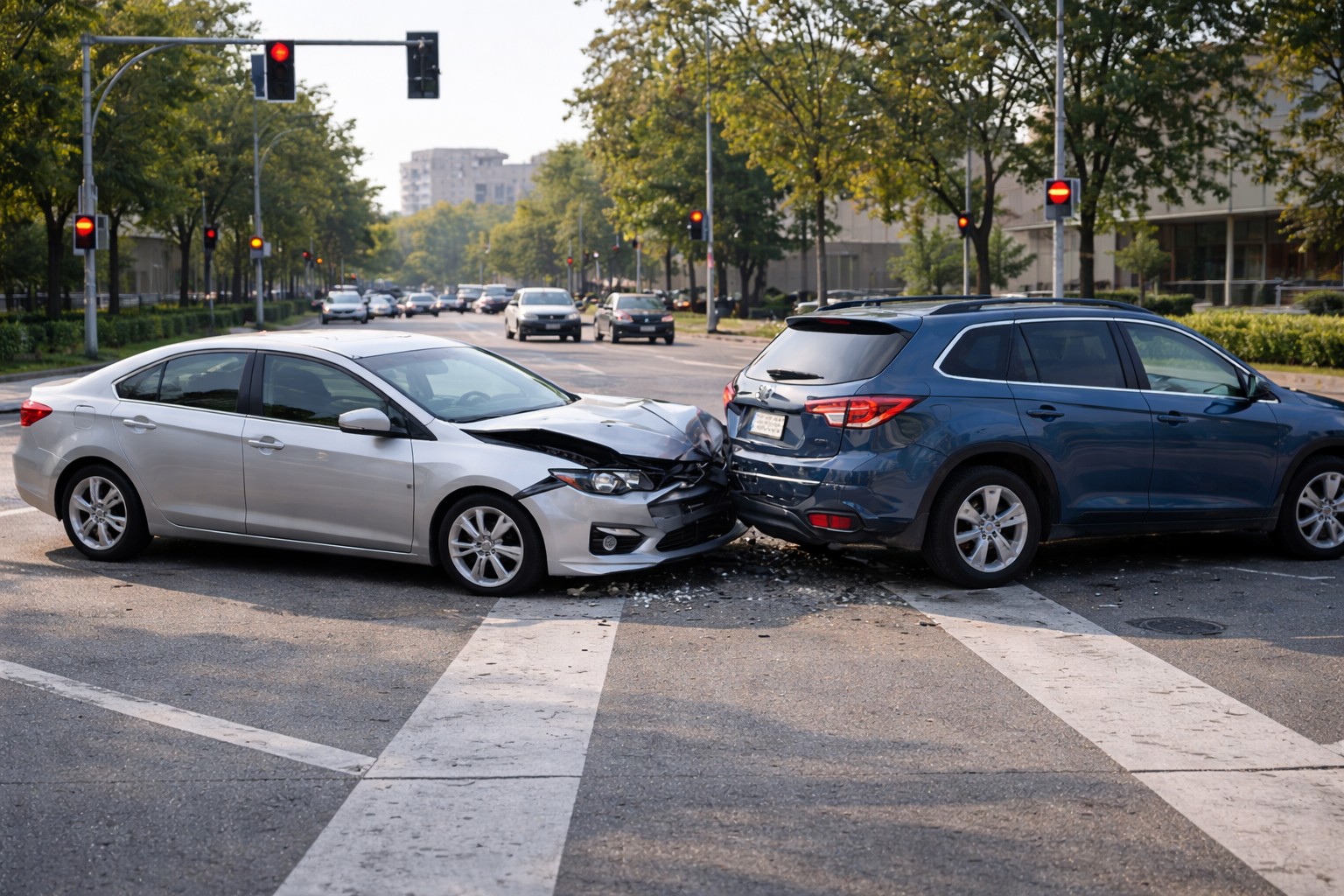
Wide-angle photos help investigators understand the overall layout of the accident scene.
Try to include:
Both vehicles in the same frame
The direction each vehicle was traveling
Nearby intersections or landmarks
The general traffic environment
Think of these photos as helping someone who was not present visualize exactly what happened.
Gather Basic Information
In addition to photos, it’s important to collect basic information from the other driver.
Exchange:
Names
Phone numbers
Driver’s license information
Insurance company and policy number
Vehicle make, model, and license plate
If there are witnesses nearby, politely ask for their contact information as well.
Witness statements can sometimes provide valuable independent perspectives on how the accident occurred.
Write Down What You Remember
Memories fade quickly—especially during stressful situations.
If possible, take a few minutes to write down what happened while the details are still fresh in your mind.
Include things like:
The time and location of the accident
The direction each vehicle was traveling
Traffic signals or signs involved
Weather or road conditions
Anything unusual you noticed
Even brief notes can help you recall important details later when speaking with insurance companies or law enforcement.
Stay Calm and Avoid Arguments
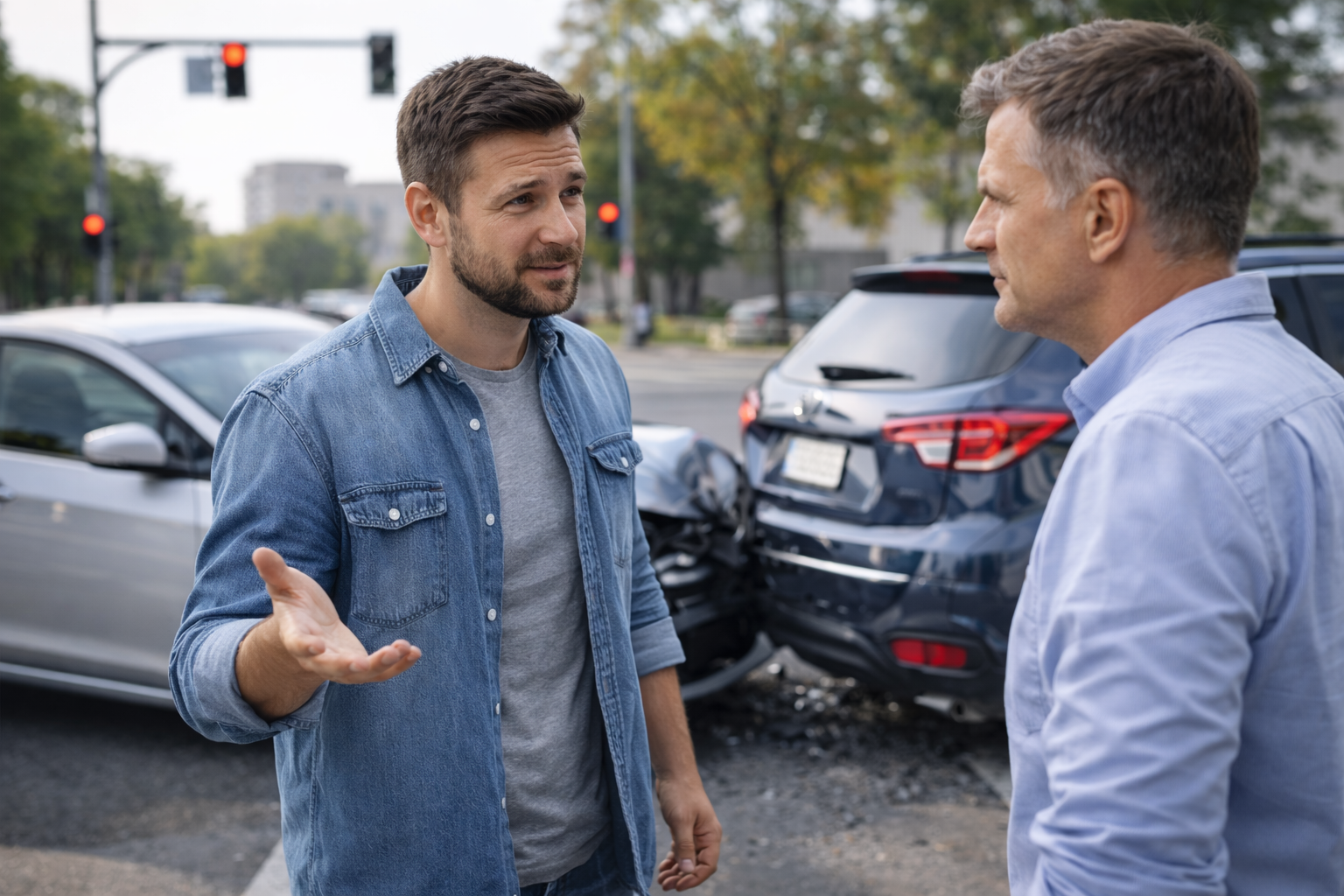
While documenting the scene, it’s important to remain calm and avoid confrontations.
Accidents are stressful, and emotions can run high.
Focus on gathering information and documenting the scene rather than debating who was at fault.
Determining liability is something that insurance companies and investigators will evaluate later based on evidence, statements, and applicable traffic laws.
After confirming that everyone is safe, documenting the scene becomes one of the most valuable things you can do.
Photos.
Information.
Notes.
Together, these small pieces create a clear record of the accident before the scene changes.
And in the world of insurance claims, clarity is everything.