You don’t have to work in insurance long before you start seeing patterns.
Most claims are ordinary. Two drivers make a mistake, cars get repaired, maybe someone is sore for a few days, and everyone moves on with their lives.
But every once in a while, someone decides to get creative.
And creativity is where things usually start going sideways.
Here are a few real situations that illustrate how quickly a claim can turn from routine to suspicious.

The $15,000 Neck Pain That Appeared Overnight
Years ago I was investigating a small parking lot accident.
One driver backed into another vehicle. Minor damage. A few scratches and dents. Nothing dramatic.
The driver who backed up was our insured, but she wasn’t responding to calls. And here’s something many people don’t realize: most insurance companies will not finalize liability until they speak with their own driver, even if the accident seems obvious.
So the claim sat for a bit.
During that time, I checked in with the other driver — the claimant — multiple times.
Week one: no injuries.
Week two: no injuries.
Week three: still no injuries.
Eventually our policyholder finally called back, gave her statement, and liability was finalized. Everything lined up exactly the way the claimant originally described.
So I called the claimant to set up repairs.
She told me the damage wasn’t that bad and she’d rather just take a payment instead of repairing the car. She mentioned she could really use the money for college books and food.
Fair enough.
The estimate came out to about $500. Minor damage. I issued the payment and closed the property damage portion of the claim.
Two days later, she called back.
Suddenly she had back and neck pain.
She told me she hadn’t gone to a doctor yet, but if we just paid her $15,000, she would “drop the claim and pretend nothing happened.”
Now here’s the problem with that strategy.
I wasn’t even a bodily injury adjuster at the time.
So I explained that if she was claiming injuries, the claim would need to be transferred to a bodily injury adjuster who would review her treatment and follow up appropriately.
The moment I said that, the panic kicked in.
She immediately changed the offer.
“Alright,” she said, “I’ll accept $5,000 and you don’t have to transfer the claim.”
I explained that I couldn’t authorize any injury payment, and at this point the claim would absolutely be transferred — not just to a bodily injury adjuster, but also to our fraud investigation unit.
Then I wished her a wonderful day and ended the call.
She never called back.
And no, she didn’t get paid.

The Tesla That “Mysteriously” Hit a Yellow Pillar
Another claim involved a woman with a red Tesla.
She reported that when she came out of work one afternoon, she found damage on the passenger-side rear quarter panel, near the tire.
According to her, the damage wasn’t there when she parked.
So obviously — in her mind — someone must have hit the car and fled the scene.
A classic hit-and-run.
But when we started looking into it, something didn’t quite add up.
She parked in the same spot every single day.
Not just the same area — the exact same space. It even had her name assigned to it.
And that space happened to sit at the end of a row next to a concrete island with a large yellow barrier.
Right where the passenger side would pass as she pulled in.
So I went out to look at the scene myself.
And there it was.
The yellow pillar had red paint on it. Some of it older. Some of it fresh.
The height and location matched the damage on her Tesla perfectly.
But the story got even better.
During the investigation we also discovered she always brought the car to the same body shop for repairs.
Which might not seem strange until we ran a quick background check.
The shop owner?
Her brother.
The setup was simple.
He would write a higher estimate for the insurance company, charge his sister less out-of-pocket, collect the insurance payment, and then split the money.
Once we connected the dots, the outcome was straightforward.
Her policy was cancelled immediately.
We demanded reimbursement for prior payments related to those suspicious repairs.
And no, we did not renew her policy.
The Mustang That “Was Never in an Accident”
The last example might be my personal favorite.
A claim came in reporting that one of our insured drivers had been involved in an accident.
So I called the policyholder.
“Hello, a claim was reported on your policy that you were involved in an auto accident.”
Her response came quickly.
“No I wasn’t.”
That happens sometimes. Claims get reported incorrectly. Wrong license plates, mistaken identities, all kinds of things.
So I asked a follow-up question.
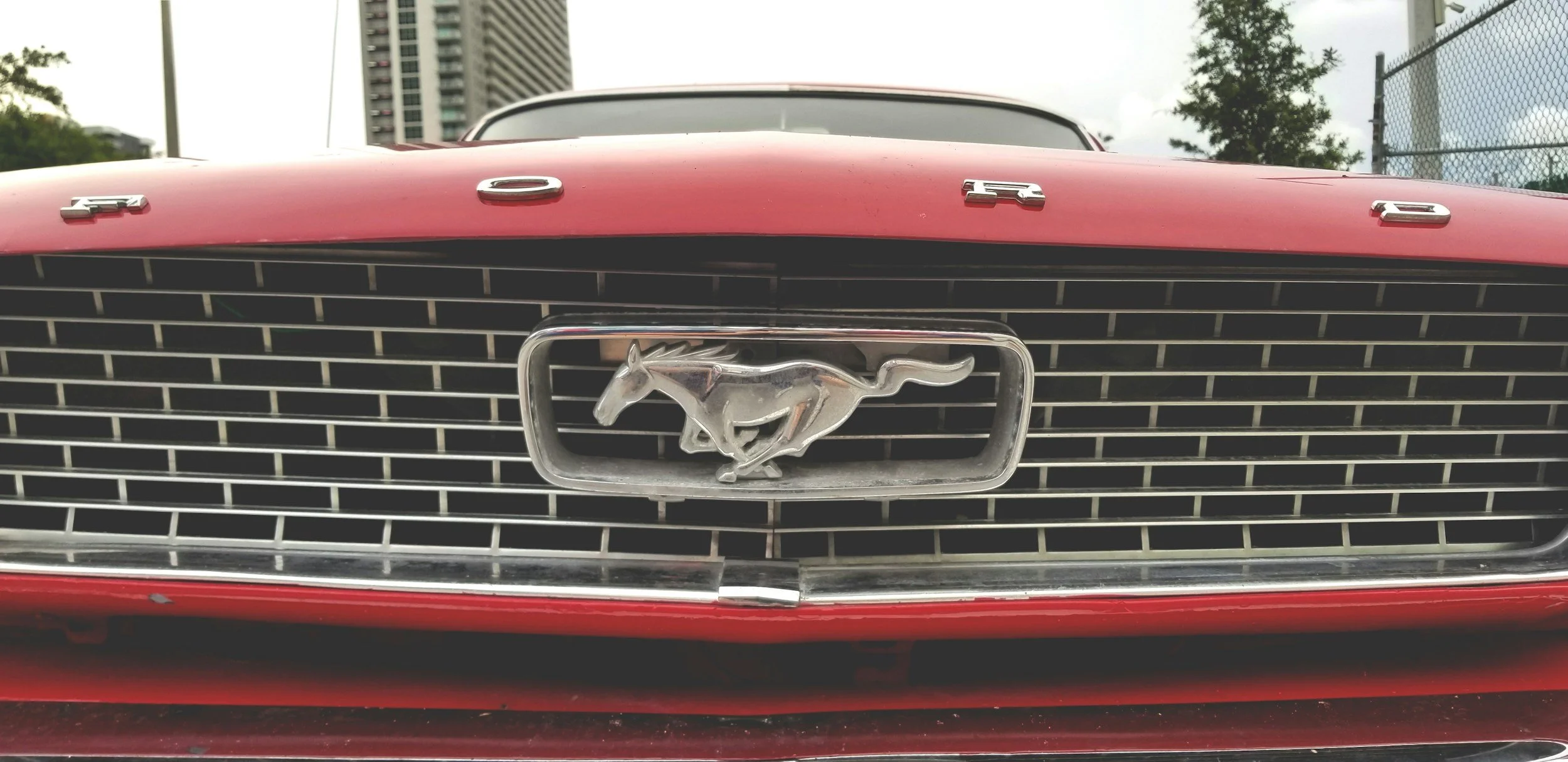
“Do you own a red 2015 Ford Mustang with this license plate?”
“Nope,” she said. “I have no idea what you’re talking about.”
Now here’s where things got interesting.
Because while we were investigating the claim, someone had already located a social media post.
From her account.
Posted the same day as the accident.
The caption read something along the lines of:
“Just wrecked my brand new beautiful Mustang.”
The photo showed her standing next to the damaged car.
The same Mustang.
The same license plate.
The same damage that had been reported in the claim.
While we were on the phone, she suddenly stopped responding.
A moment later, I refreshed the page.
The post had been deleted.
Then her entire profile went private.
Fortunately, screenshots exist.
I calmly explained that we had already documented the post before it disappeared.
She hung up.
At that point we simply accepted liability on her behalf and moved forward accordingly.
The Moral of These Stories
Insurance investigations aren’t built on guesswork.
They’re built on patterns, evidence, and a lot of experience reviewing accidents.
Most people who file claims are honest.
But when someone decides to bend the truth — or invent a better story after the fact — the cracks usually show.
Sometimes it takes a few questions.
Sometimes it takes a scene inspection.
Sometimes it just takes a quick search online.
But eventually, the facts tend to catch up with the story.
And when they do, the claim rarely ends the way the storyteller hoped.